
International Programs
Preventing blindness around the world
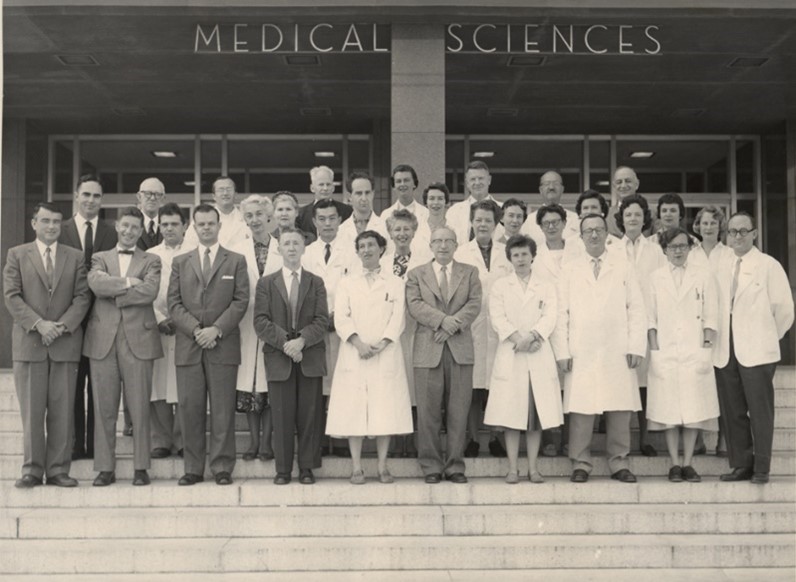
The Proctor Foundation was founded in 1947 with a single aim: to eradicate trachoma worldwide. It has since grown into a major research and teaching unit at UCSF, and that founding goal has widened rather than narrowed. International Programs carries the work forward through blindness prevention research and care across five continents.
What We Work On
Five problems we are trying to solve
Each of these blinds people, or kills them, and each is preventable. Here is what they are, in plain terms, and what we are doing about them.

Our Laboratory
The Doan Lab
Samples travel from clinics in Ethiopia, Niger, India, Nepal, and Thailand to a single laboratory in San Francisco. The Doan Lab uses unbiased metagenomic deep sequencing to identify what is in them, without needing to guess the pathogen in advance.
That approach matters most where conventional testing runs out: culture negative keratitis, uveitis with no identified cause, and intraocular lymphoma that mimics inflammation. The lab supports Proctor's international studies and its clinical service alike.
Grants & Trials
Find our grants and trials
Every study on this page rests on funded, registered research. Two searchable listings hold the full record: the awards that support the work, and the trials currently enrolling or in follow-up.
Research Funding
Search active and completed awards to Proctor investigators, with funding agency, project title, and principal investigator.
Browse all grants
Studies
Search Proctor trials by condition, site, and status, from trachoma and corneal ulcer prevention to uveitis treatment.
Browse all trials
Funding & Support
Who makes this work possible
Research at the UCSF Proctor Foundation is made possible through generous support from our partners and funding agencies, whose contributions enable groundbreaking work in global eye health and infectious disease research.


International Collaborators
Who we work with
Forty-one institutions on six continents run Proctor studies with us — hospitals, clinics, ministries of health, and field research centers. Hover a marker for the name, or select it for the studies and Proctor faculty involved.
- Africa 4
- Asia 12
- Europe 5
- North America 16
- South America 1
- Oceania 3
See the full list of collaborators Updated as new partnerships are confirmed.